The Power of Curiosity: Why Asking Questions Makes You Smarter
In the larger picture, curiosity is not just about doing well in school. It is a skill that shapes how a person thinks and solves problems in life.
RMN Kids Young Minds Desk
New Delhi | April 24, 2026
Curiosity begins with a simple habit—asking questions. Every child naturally wonders about the world: why the sky changes color, how plants grow, or what makes a machine work. These small questions may seem ordinary, but they are actually the starting point of real learning.
As children grow older, this natural curiosity often fades. Sometimes they hesitate to ask questions because they fear being wrong or sounding silly. But the truth is quite the opposite. The students who ask more questions usually understand things better, remember them longer, and enjoy learning far more than those who simply try to memorize information.
Think about a simple example from everyday learning. A student reads that plants need sunlight to grow. One way to learn this is to memorize the sentence and repeat it in an exam. But a curious student might wonder what would happen if a plant is kept in the dark. That question can lead to a small experiment at home, careful observation over a few days, and a much deeper understanding of how nature works. The lesson becomes real, not just theoretical.
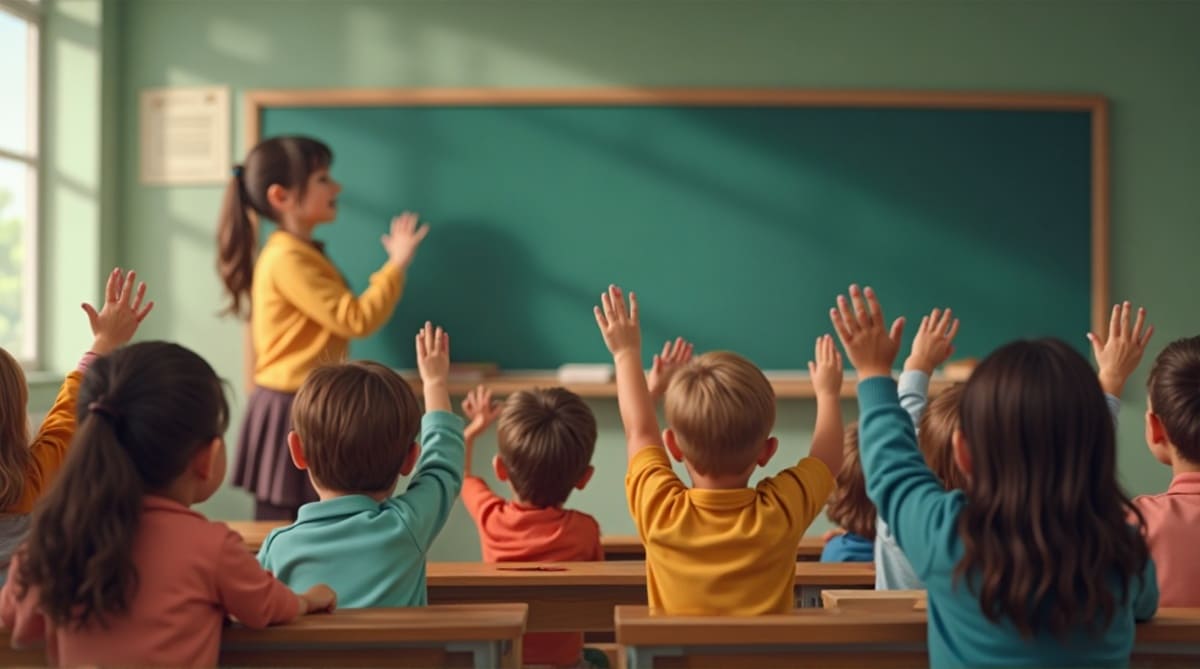
Curiosity also changes the role of parents and teachers in a child’s life. Instead of giving direct answers every time, adults can guide children to think on their own. When a child asks a question, responding with “What do you think?” can open the door to exploration. Classrooms and homes that welcome questions create confident learners who are not afraid to think differently.
For children, building curiosity does not require anything complicated. It can start with paying closer attention to everyday life—watching how things move, grow, or change. Keeping a small notebook of questions, trying simple experiments, or reading beyond school textbooks can gradually turn curiosity into a lifelong habit.
In the larger picture, curiosity is not just about doing well in school. It is a skill that shapes how a person thinks and solves problems in life. Scientists, inventors, writers, and innovators all share one common trait—they never stopped asking questions. Their success did not come from knowing all the answers, but from constantly searching for them.
The next time you learn something new, pause for a moment and think a little deeper. Ask yourself why it happens and whether you can explore it further. That small step can turn an ordinary lesson into an exciting journey of discovery.