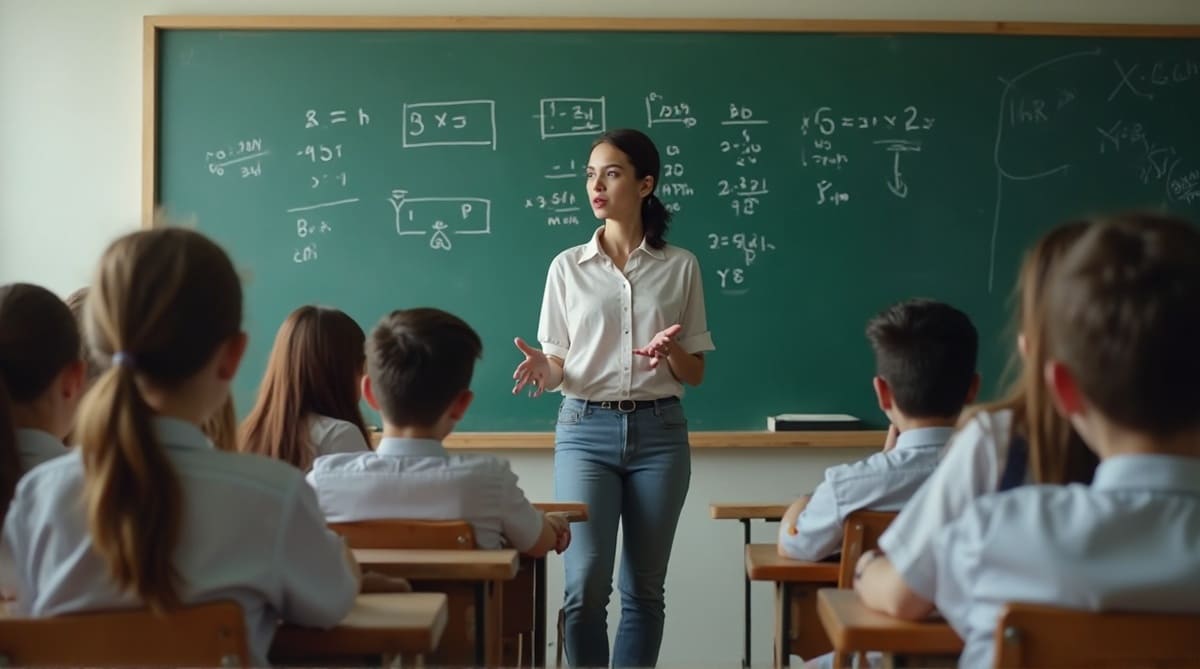
Communication Skills Shape Student Success
Communication is no longer just a language skill for school students — it is a core life skill that influences academic performance, confidence, leadership, teamwork, and future career opportunities. Students who learn how to express ideas clearly, listen carefully, and interact responsibly are often better prepared for both education and real-world challenges.
RMN Kids Skills Desk
New Delhi | May 15, 2026
Why Communication Matters More Than Ever
In today’s connected world, communication has become one of the most important abilities a student can develop. Whether in classrooms, online learning environments, social interactions, or future workplaces, students are constantly required to express thoughts, understand instructions, ask questions, and collaborate with others.
Many students perform reasonably well in academic subjects but struggle to communicate confidently. Some hesitate to speak in public, while others find it difficult to organize their thoughts clearly in writing or conversation. Over time, this gap can affect not only academic growth but also confidence and decision-making abilities.
Communication is not limited to speaking fluent English or using advanced vocabulary. It includes listening carefully, understanding context, presenting ideas logically, writing clearly, and interacting respectfully with others. Strong communication skills help students participate actively in classrooms instead of remaining passive observers.
Communication and Academic Performance
Students with good communication skills often learn more effectively because they are comfortable asking questions, participating in discussions, and seeking clarification when confused. They are generally better able to explain their ideas during assignments, presentations, and examinations.
Teachers also tend to engage more positively with students who communicate thoughtfully and respectfully. In group activities, communication becomes essential for teamwork, problem-solving, and collaboration.
At the same time, communication helps students develop critical thinking. When children learn how to express opinions clearly, they also learn how to organize thoughts, evaluate information, and build logical arguments.
The Digital Era Has Changed Communication
Modern students are growing up in a digital environment dominated by smartphones, messaging platforms, video content, gaming communities, and social media. While technology offers opportunities for learning and global interaction, it has also changed how young people communicate.
Many students today spend more time typing short messages than engaging in meaningful conversations. Attention spans may shorten, and face-to-face interaction skills can weaken if not developed consciously.
This makes communication education even more important. Students must learn how to communicate responsibly in both physical and digital environments. They need to understand tone, clarity, empathy, online etiquette, and the impact of words in public spaces.
Communication Builds Confidence and Leadership
Students who can communicate effectively often become more confident in school and social situations. They are more likely to participate in debates, presentations, interviews, group discussions, and leadership activities.
Confidence in communication does not mean speaking loudly or constantly. It means being able to express ideas clearly and respectfully without fear or confusion.
These skills remain valuable throughout life. In higher education and future careers, employers increasingly value communication abilities alongside technical knowledge. Professionals are expected not only to perform tasks but also to explain ideas, collaborate with teams, and solve problems through discussion.
Why Schools and Parents Should Support Communication Learning
Communication skills are best developed gradually through regular practice and encouragement. Schools can support this process through presentations, discussions, storytelling, writing exercises, debates, and collaborative learning activities.
Parents also play a major role. Children who grow up in environments where conversations are encouraged often become more expressive and emotionally balanced. Simple activities such as reading together, discussing current events, storytelling, or encouraging children to share opinions can strengthen communication abilities naturally.
Importantly, communication learning should not create fear or pressure. Many children hesitate because they worry about making mistakes. A supportive environment helps students become more comfortable expressing themselves.
The Relevance of KidComm
Recognizing the growing importance of communication education, RMN Kids editor Rakesh Raman runs the KidComm – Communications and the Application of Language program. The initiative focuses on helping students understand the practical use of communication and language in education and everyday life.
The program aims to encourage thoughtful expression, language awareness, responsible interaction, and communication confidence among students. Rather than treating communication as a narrow academic subject, KidComm approaches it as a practical life skill relevant across disciplines and future careers.
Students interested in improving communication abilities can inquire about the KidComm program through RMN Kids.
“Communication is not merely about speaking a language. It is about learning how to think clearly, express responsibly, and interact meaningfully in both academic and real-world environments.” — Rakesh Raman
Conclusion
Communication influences how students learn, think, interact, and grow. In an increasingly competitive and technology-driven world, the ability to communicate clearly and responsibly has become as important as academic knowledge itself.
Students who develop communication skills early are often better equipped to handle classroom challenges, social situations, leadership opportunities, and future professional environments. For parents, teachers, and schools, supporting communication learning is not an optional extra — it is an investment in a student’s long-term development.